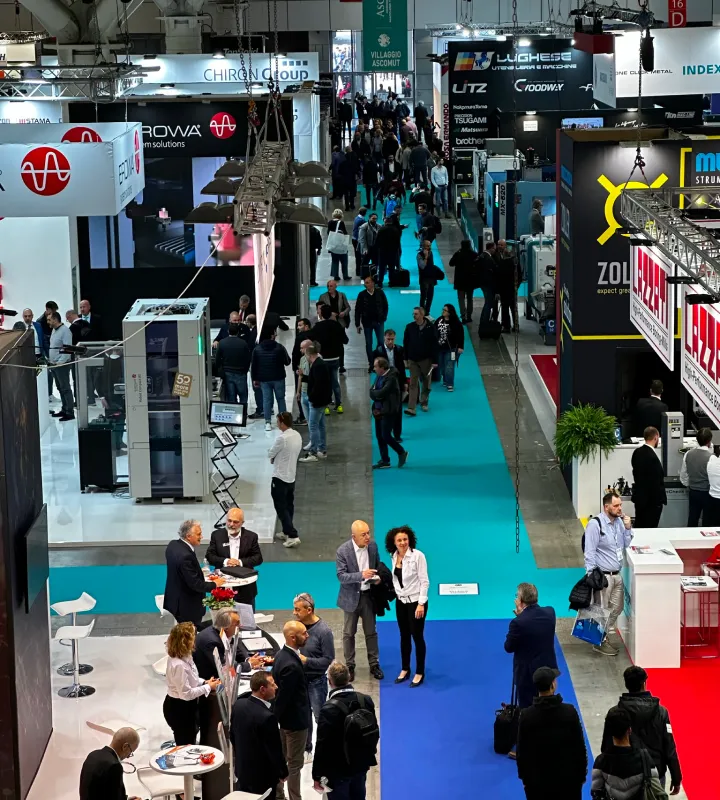
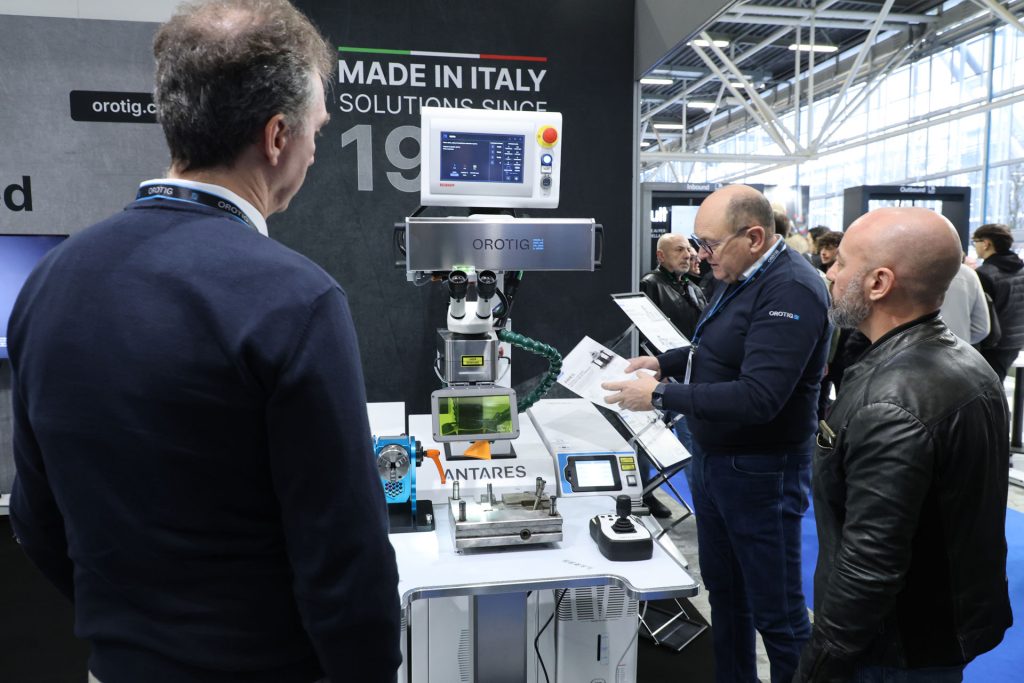
The MECSPE Observatory highlights the consolidation of the supply chain: SMEs are evolving from suppliers into strategic partners. Analysis by the Confimi and Confartigianato Research Centres on the competitiveness of industrial districts.
Responding to global uncertainty by building local networks: Italian manufacturing is betting on supply-chain consolidation to remain competitive. According to data from the MECSPE Observatory, the leading trade fair for the sector, scheduled for 3–5 March 2027 at BolognaFiere, companies are rethinking their supply chains by focusing on flexibility, proximity and co-design with specialised SMEs.
International uncertainty, market trends and raw-material prices are drawing the manufacturing sector’s attention, but the industry is responding with flexibility. For 70% of companies, the actual impact on production remains moderate or minimal. In this context, adapting strategies becomes a way to strengthen the business: 37% negotiate with or change suppliers, 30% focus on long-term supply agreements and 24% increase inventory levels. These dynamics place supply-chain reorganisation and reshoring among the main trends (for 17% of companies) for the sector’s future development.
“The Observatory data show that companies are aware of the challenges ahead, yet determined to strengthen their competitiveness”, comments Maruska Sabato, MECSPE Project Manager. “In a constantly changing global landscape, being able to rely on robust, integrated supply chains that can adapt quickly is becoming increasingly important. MECSPE also works in this direction, bringing together companies, expertise and technologies and creating new opportunities for collaboration across the manufacturing system.”
So how is collaboration between companies along the supply chain evolving? And what opportunities are emerging for a manufacturing system such as Italy’s, historically founded on industrial districts and specialised SMEs?
According to the Confimi Industria Research Centre, supply-chain reorganisation is now first and foremost an industrial strategy rather than merely a response to the market: “Supply-chain resilience is a direct component of competitiveness. Reducing excessive dependencies, diversifying suppliers, shortening supply chains where possible and building stronger relationships along the chain also mean reducing the risk that an external shock will immediately become a production problem.”
Italian SMEs are therefore entering a phase of greater collaboration between companies that does not require complex corporate mergers: networks are built through co-design, digital integration and supply-chain agreements. As the Confimi Industria Research Centre notes, “the supply chain is no longer merely a place where goods are bought or sold, but a shared space for investment and competitiveness”.
This model enhances the roots and flexibility of Made in Italy and rewards the know-how of small and micro craft enterprises: today, large groups entrust them with highly specialised production stages, turning widespread expertise into the true cornerstone of the entire industrial chain.
“Small and micro enterprises have always been a competitive advantage for the Italian system, but today they are even more so: as supply chains evolve, small businesses have become indispensable, a link without which the chain cannot exist”, explains Stefano Campanella, President of Confartigianato Meccanica e Subfornitura. “To strengthen this role, it is essential to invest in skills, improve the ability to engage with larger, more structured companies and encourage technology transfer between large and small businesses. Digitalisation is an important step, but it must go hand in hand with enhancing the traditional manufacturing skills that remain essential to production. This is precisely the mission of the Confartigianato Village at MECSPE – Campanella continues – a space designed to guide craft enterprises towards new business opportunities and accelerate their integration into the most advanced industrial networks”.
What is the tangible impact of this evolution on industrial districts? A virtuous example comes from Emilia-Romagna, where the MECSPE Observatory ranks supply-chain reorganisation among the five leading trends for regional companies, alongside digitalisation, automation, customisation and sustainability. The figures confirm the vitality of a system comprising 382,000 active companies, with GDP continuing to grow (+0.6% in 2025 and +0.9% in 2026). In long-established centres of excellence such as the Motor Valley, Packaging Valley, mechatronics and the marine industry, the supplier relationship has evolved: technology and local know-how have transformed local SMEs into true co-design hubs for major supply-chain leaders.
“Our manufacturing system has historically been characterised by exceptional flexibility and versatility, which fostered the emergence of highly specialised industrial districts”, explains Rachele Morini, President of Confimi Romagna. “Today we are seeing a growing tendency to move beyond traditional geographical boundaries through long-term partnerships, network agreements and shared investment in research and development. Romagna’s districts are evolving from simple local manufacturing agglomerations into fully integrated innovation clusters, where competitiveness no longer depends on the individual company but on the technological resilience and sustainability of the entire supply chain.”
This transformation is also visible in the integration of the agri-food sector with packaging technologies, in the development of new materials with a lower environmental impact and in the evolution of Ravenna’s energy hub. These experiences demonstrate how innovation, collaboration and local specialisation can strengthen the competitiveness of industrial supply chains.
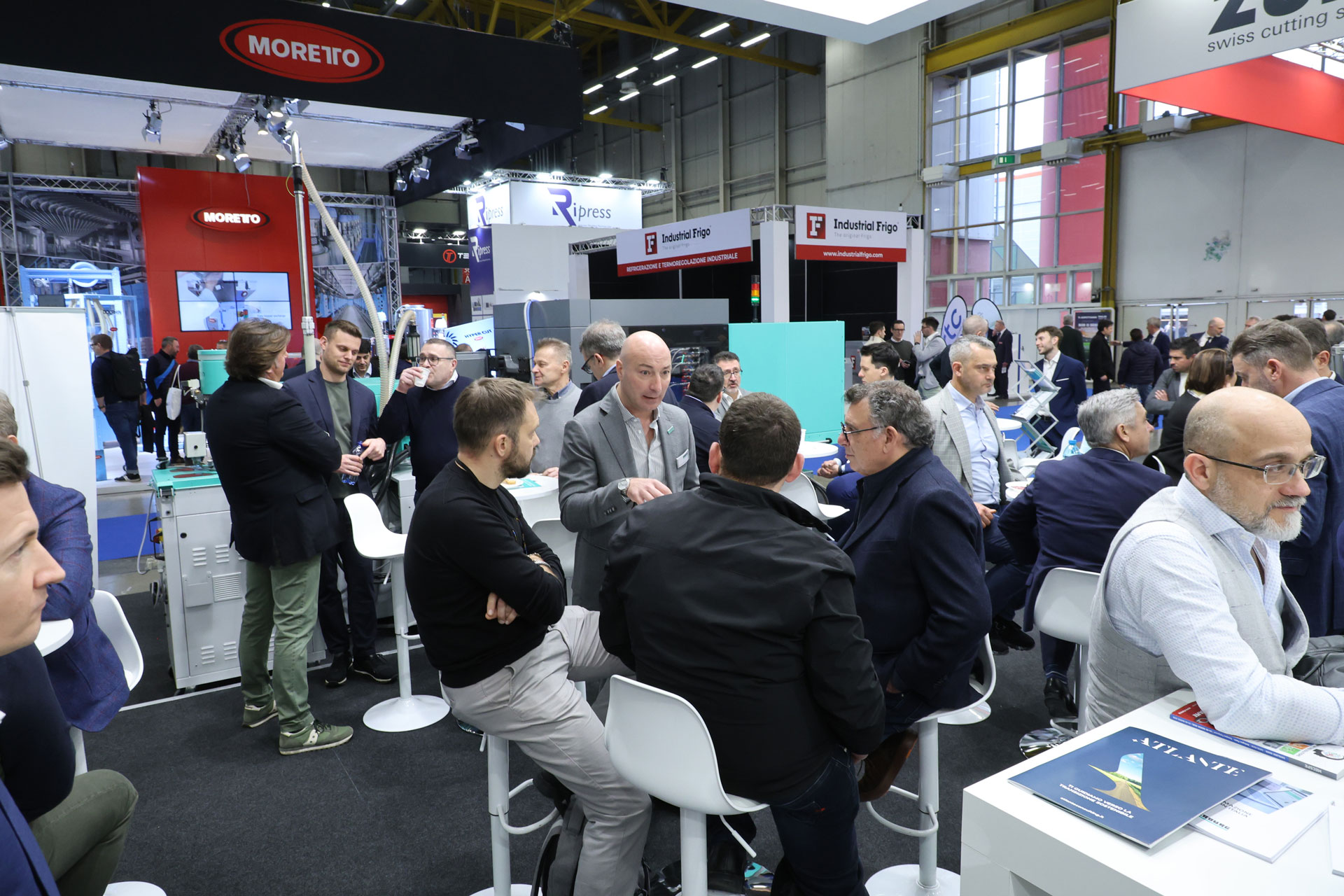
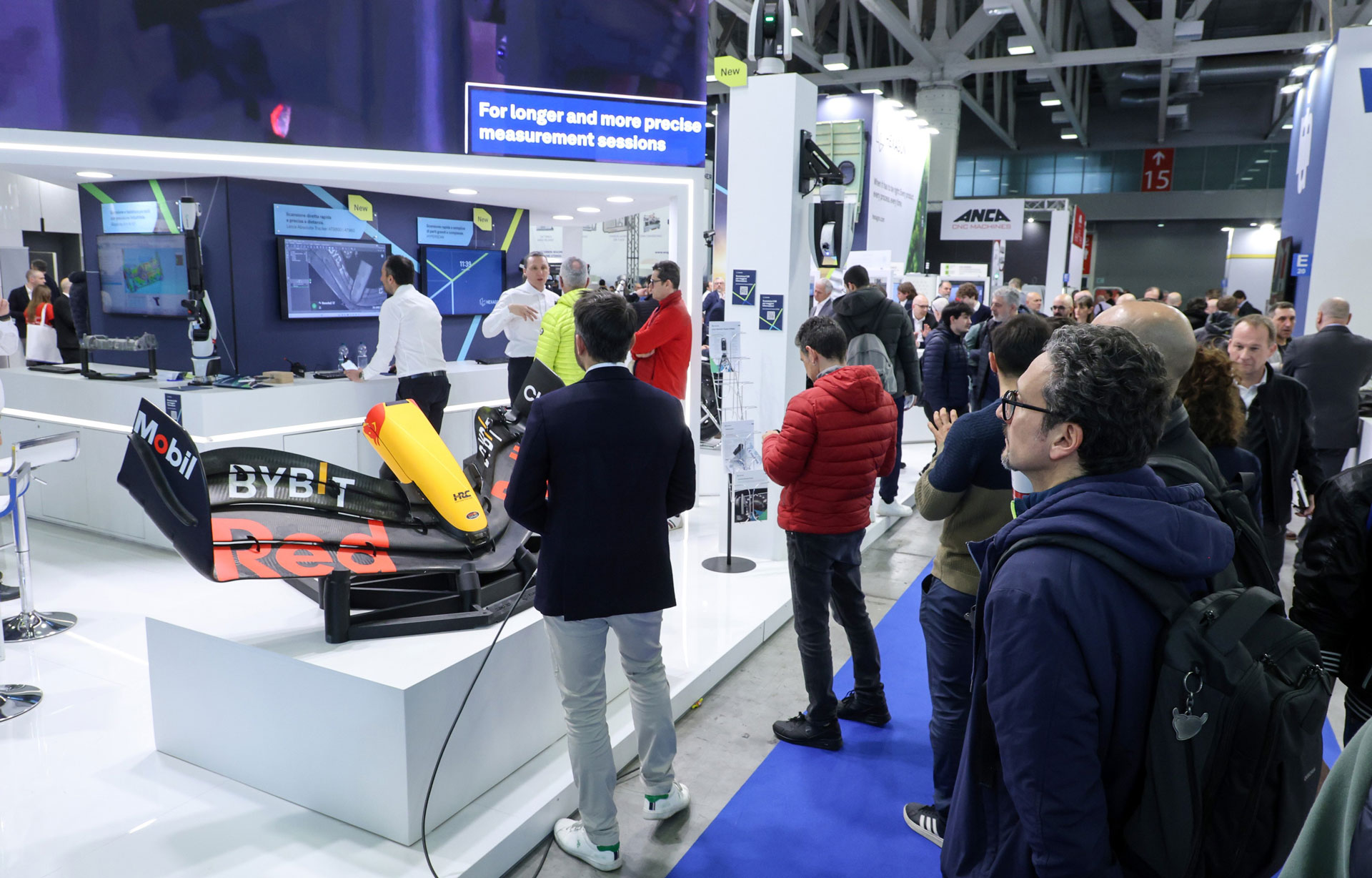
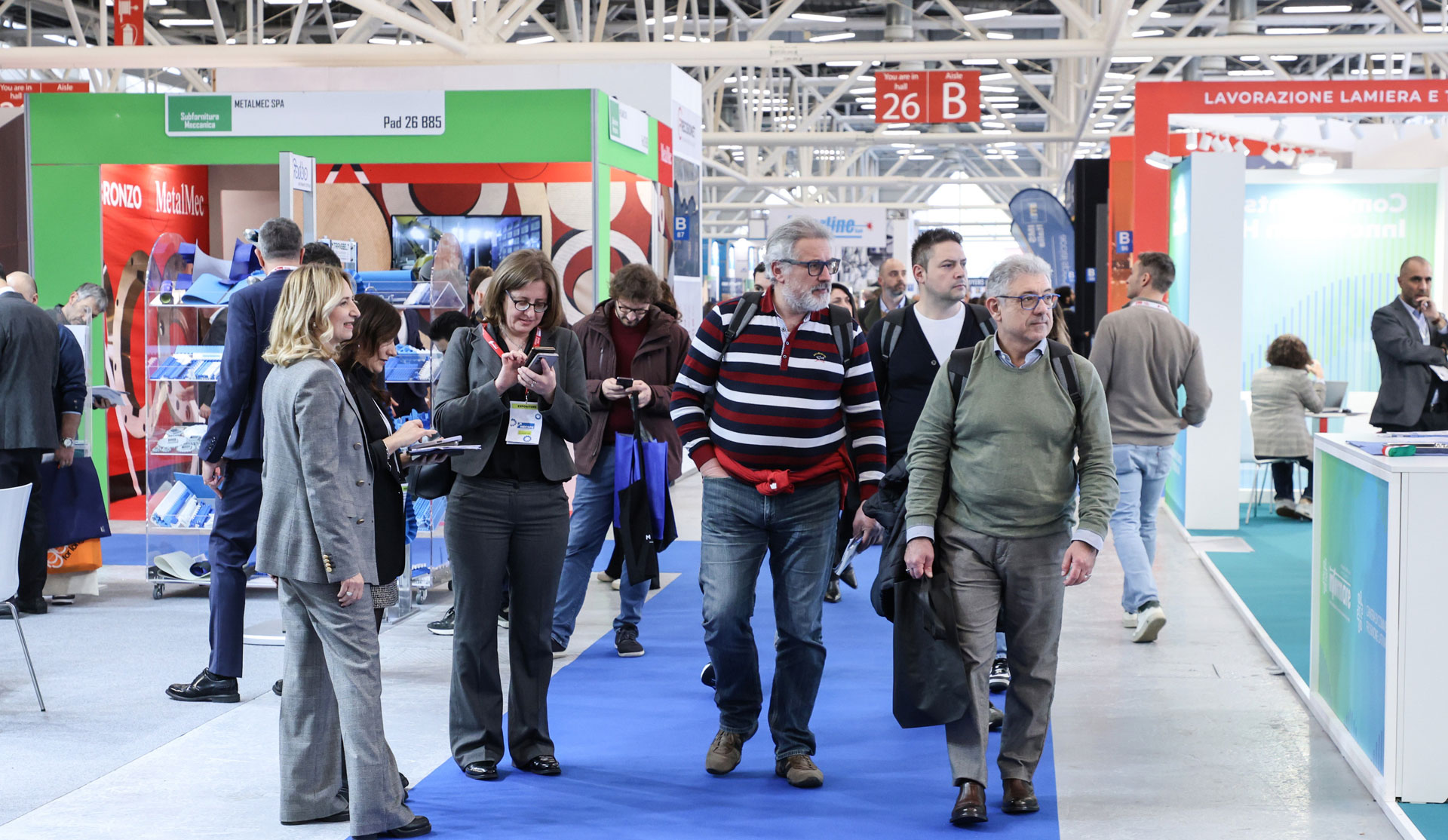
These are precisely the connections that MECSPE will bring back into the spotlight from 3 to 5 March 2027 at BolognaFiere, bringing together companies, associations and manufacturing professionals. Through its exhibition halls and innovation-focused initiatives, the event will provide opportunities for discussion, networking and updates on technologies and solutions that make production processes more efficient, encourage integration between companies and build increasingly competitive and resilient industrial supply chains.
For more information: www.mecspe.com/en
The next edition of MECSPE will take place from 3 to 5 March 2027.
MECSPE BOLOGNA 2026 figures60,581 professional visitors, 92,000 sqm of exhibition space, over 2,000 companies present, 13 exhibition halls, 18 special initiatives, 157 conferences.
MECSPE Exhibition Halls
Machines and Tools - Machine tools, Equipment, Tools and Design Software; Sheet Metal Working Machines - Bending, Stamping, Cutting, Assembly, Welding, Materials and Software; Digital Factory - Industrial Informatics, IoT, Industrial Sensing, Cloud-manufacturing, Automatic Identification Technologies, Applications, Devices, Instrumentation and Intelligent Components for Process Interpretation and Interconnection; Logistics - Packaging, Packaging, Handling, Material handling, Lean manufacturing, Warehouse management software, Supply chain management, Security Systems, PPE, Third party; Mechanical Subcontracting - Precision Machining, Metal Carpentry, Mechanical Constructions, Fasteners, Foundries, Minuteries, Wire Processing, Third Party Industrial Processing, Micromachining; Eurostampi, plastics , rubber and composites - Plastics, rubber and composites processing, Machinery and equipment, Auxiliary equipment, Innovative materials, Molding, Extrusion, Packaging, Blowing, Molds, Models, Normalized mold components, Design, Simulation and design software, Micromachining; Additive Manufacturing - 3D Printing, Rapid Prototyping, Rapid Manufacturing, Systems and services for reverse engineering, Additive Technology, Materials, Services, Hardware: 3D printers and scanners, accessories, Simulation and design software; Treatments and Finishes -Surface treatment equipment, Furnaces, Electroplating, Chemical and electronic processes, Washing, Metallization, Enameling, Galvanizing, Products and accessories for treatments, Heat Treatments, Painting; Nonferrous Materials and Alloys - Nonferrous materials processing (Aluminum, Titanium, Magnesium, Light alloys), Die castings, Foundries, Contract industrial processing, Technologies, Design, Engineering; Automationand Robotics -Assembly \ Automation and robotics \ Electronic components manufacturing and distribution \ Electronic Design - ED-EDA \ Electronic subcontracting (EMS) \ Instrumentation and test systems \ Mounting and handling \ Production and distribution of machines for electronic manufacturing \ Production consumables and equipment; Control and Quality-Certification and Quality Control, Metrology, Measuring Instruments, Laboratory Testing, Calibration, Analytical Equipment, Vision; Power Drive-Mechanical Power Transmission Parts, Hydraulics, Pneumatics, Mechatronics, Motion Control, Maintenance, Compressed Air.
Press Office
MY PR - www.mypr.it
Roberto Grattagliano – 338 9291793 – roberto.grattagliano@mypr.it
Elena Soccal – 345 4434931 – elena.soccal@mypr.it
Mariagiovanna Monzo – 340 2513708 – mariagiovanna.monzo@mypr.it